






How Much Money Do You Really Need to Start Selling on Amazon? (2026 Guide)
Starting an Amazon business is one of the most popular ways to build an online income—but one of the biggest questions beginners ask is: “How much money do I actually need to get started?”
The honest answer? It depends on your business model, goals, and strategy. In this guide, we’ll break down the real costs of selling on Amazon in 2026, so you can start with clarity and avoid expensive mistakes.
Quick Answer: Minimum Budget to Start
- Bare minimum (tight budget): $300 – $800
- Recommended beginner budget: $1,000 – $3,000
- Serious private label brand: $3,000 – $10,000+
1. Amazon Selling Plan Fees
Amazon offers two types of seller accounts:
- Individual Plan: $0/month + $0.99 per sale
- Professional Plan: $39.99/month
👉 Most serious sellers choose the Professional plan to unlock ads, analytics, and scaling tools.
2. Product Sourcing Costs
This is where most of your budget goes.
Common models:
1. Retail/Online Arbitrage
- Buy discounted products and resell
- Startup cost: $200 – $1,000
2. Wholesale
- Buy in bulk from brands/distributors
- Startup cost: $1,000 – $3,000
3. Private Label (most profitable long-term)
- Create your own branded product
- Startup cost: $2,000 – $10,000+
👉 Tip: Beginners often start with arbitrage, then move to private label.
3. Inventory Costs
Your first batch of inventory can cost:
- Small test order: $300 – $1,000
- Private label launch: $1,500 – $5,000
Remember: You need enough stock to stay in business while products sell.
4. Amazon FBA Fees
If you use Fulfillment by Amazon (FBA), expect:
- Storage fees
- Fulfillment fees (shipping + handling)
Typical cost per product: $3 – $10+, depending on size/weight.
5. Marketing & Advertising
You must spend money to get visibility.
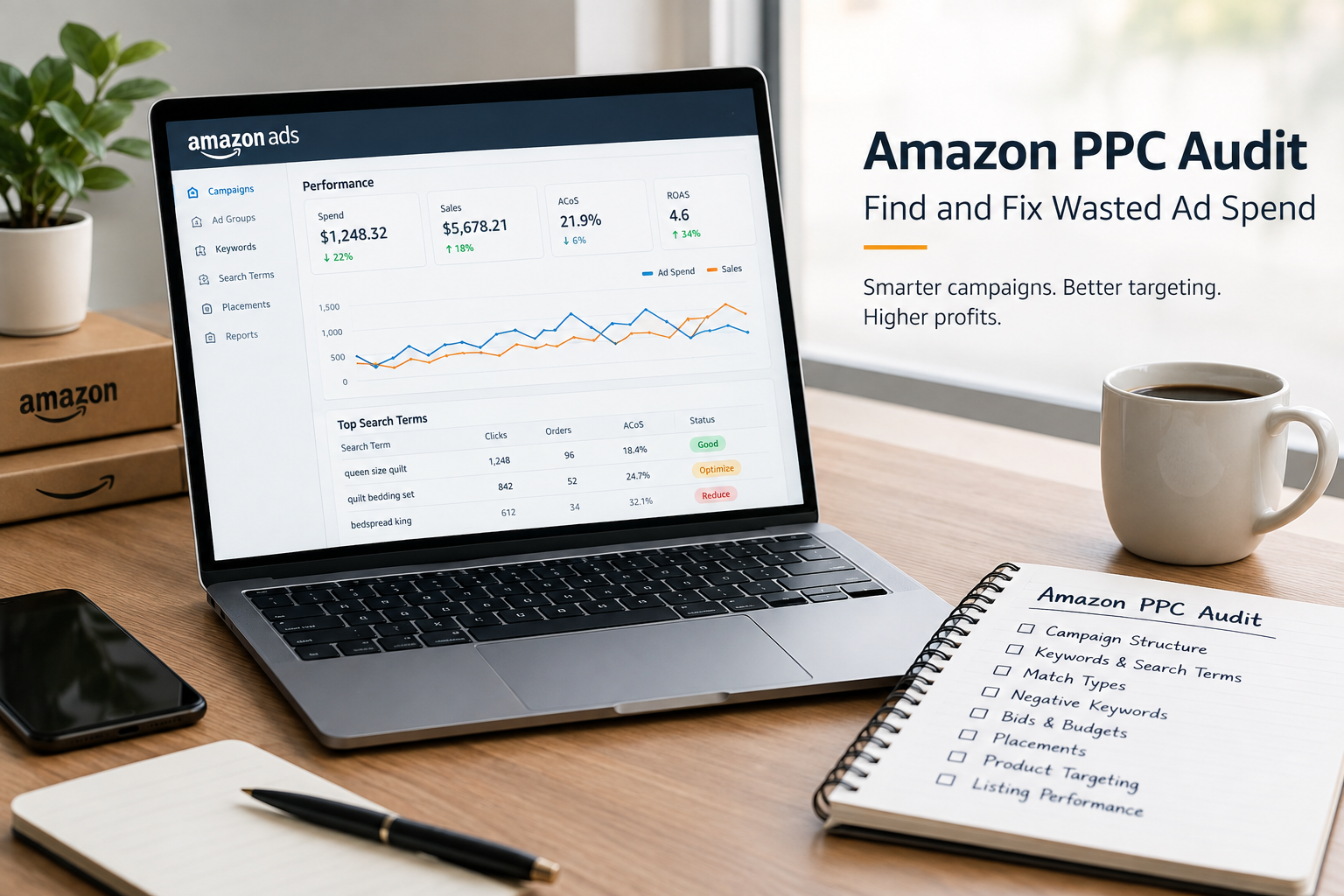
- Amazon PPC ads: $100 – $500 (starter budget)
- Product launch campaigns: $200 – $1,000
👉 Without ads, your product may never rank.
6. Tools & Software
Optional but highly recommended:
- Product research tools (Helium 10, Jungle Scout): $20 – $100/month
- Keyword tools & analytics: included or extra
7. Branding & Listing Costs
For private label sellers:
- Logo design: $20 – $100
- Product photography: $100 – $500
- Listing optimization/copywriting: $50 – $300
Total Cost Breakdown
| Expense Category | Estimated Cost |
|---|---|
| Amazon account | $40/month |
| Product sourcing | $300 – $5,000 |
| Inventory | $300 – $5,000 |
| Marketing/ads | $100 – $1,000 |
| Tools/software | $20 – $100 |
| Branding (optional) | $50 – $500 |
👉 Total realistic starting cost: $1,000 – $3,000
Hidden Costs Beginners Miss
- Returns and refunds
- Unsold inventory
- Price competition
- Storage overage fees
- Cash flow gaps
👉 Always keep a buffer of at least 20–30% extra budget.
Can You Start Amazon FBA With Little Money?
Yes—but you need to be strategic:
- Start with retail or online arbitrage
- Reinvest profits instead of withdrawing
- Avoid expensive branding early
- Focus on fast-selling products
Final Thoughts: What Budget Is Best?
If you're serious about building a real business:
- $1,000 – $2,000 → Good starting point
- $3,000+ → Faster growth and better product options
Amazon is not “get rich quick”—but with the right budget and strategy, it can become a highly scalable income stream.
Pro Tip
Start small, learn fast, and reinvest profits. The biggest mistake beginners make is either:
- Starting with too little to survive, or
- Spending too much without testing
FAQs
Is Amazon FBA still profitable in 2026?
Yes—but competition is higher, so research and marketing matter more than ever.
Can I start with $500?
Yes, but expect slower growth and limited product choices.
How long before I make profit?
Typically 1–3 months, depending on product demand and strategy.
Work with ApexBin
Spending on Amazon ads and watching ACoS climb anyway?
Muhammad Mustafa has over three years in Amazon advertising and five Amazon certifications, working with sellers across the US, UK and UAE.
Amazon PPC Management →




Blog Comments (1)
PPC SharkForce
Oct 17, 2026
Honest breakdown of the real costs. The 20-30% cash buffer advice is the part most guides skip — returns and cash flow gaps sink more beginners than product choice does. Starting with arbitrage and reinvesting profits is still the most sensible path for tight budgets, as the article suggests.